
Hope Basin Launch
Amenities
Parking, bathroom, picnic tables and grill, boat ramp, shore launch.
History
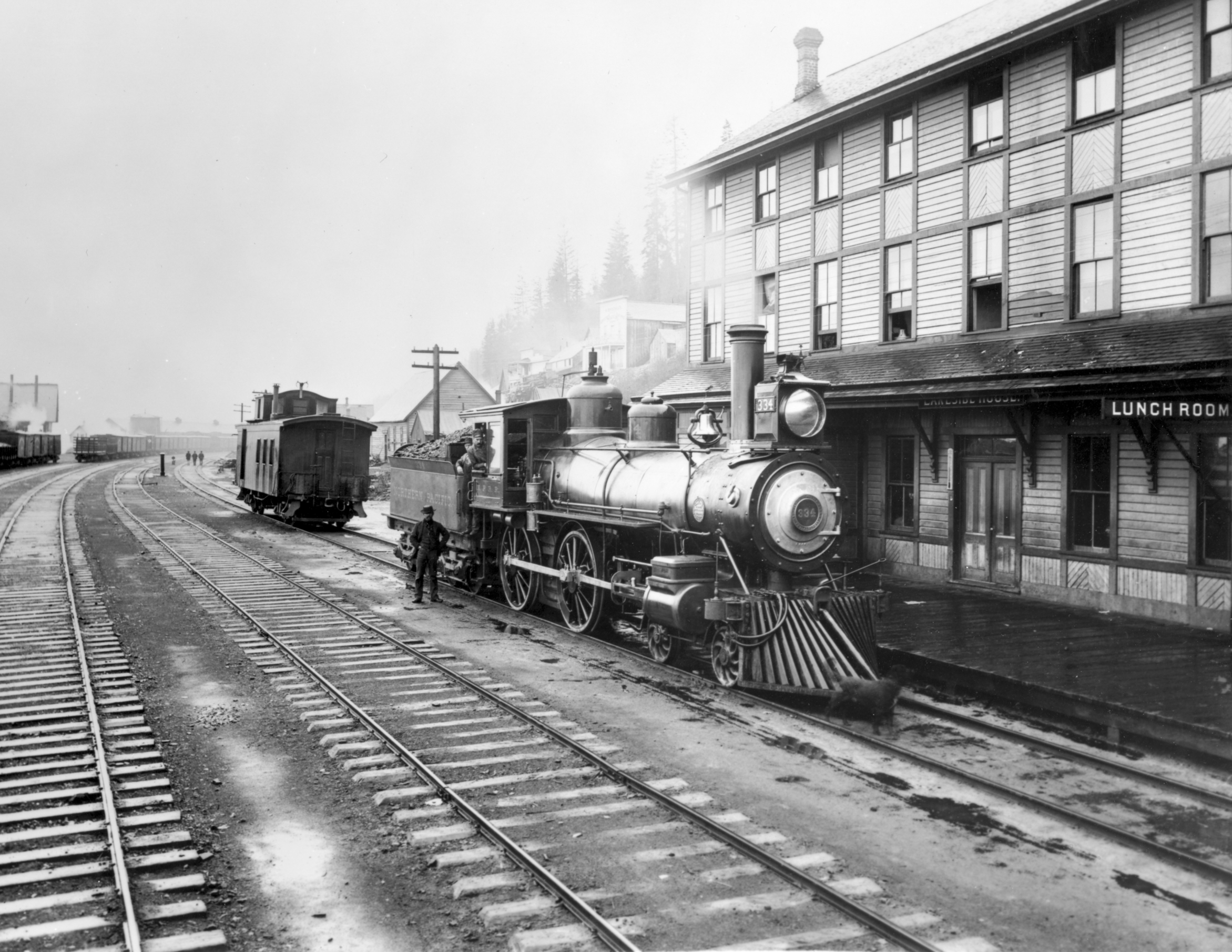
The Northern Pacific arrived here in 1882, and for the next few years, construction and grading crews were based out of Hope as the line moved west. Hope Boat Basin was the western entrance of an extensive Northern Pacific Railroad yard. The settlement was named after a Dr. Hope who worked for the Northern Pacific Railroad. Hope was the main city on the lake until about 1900.
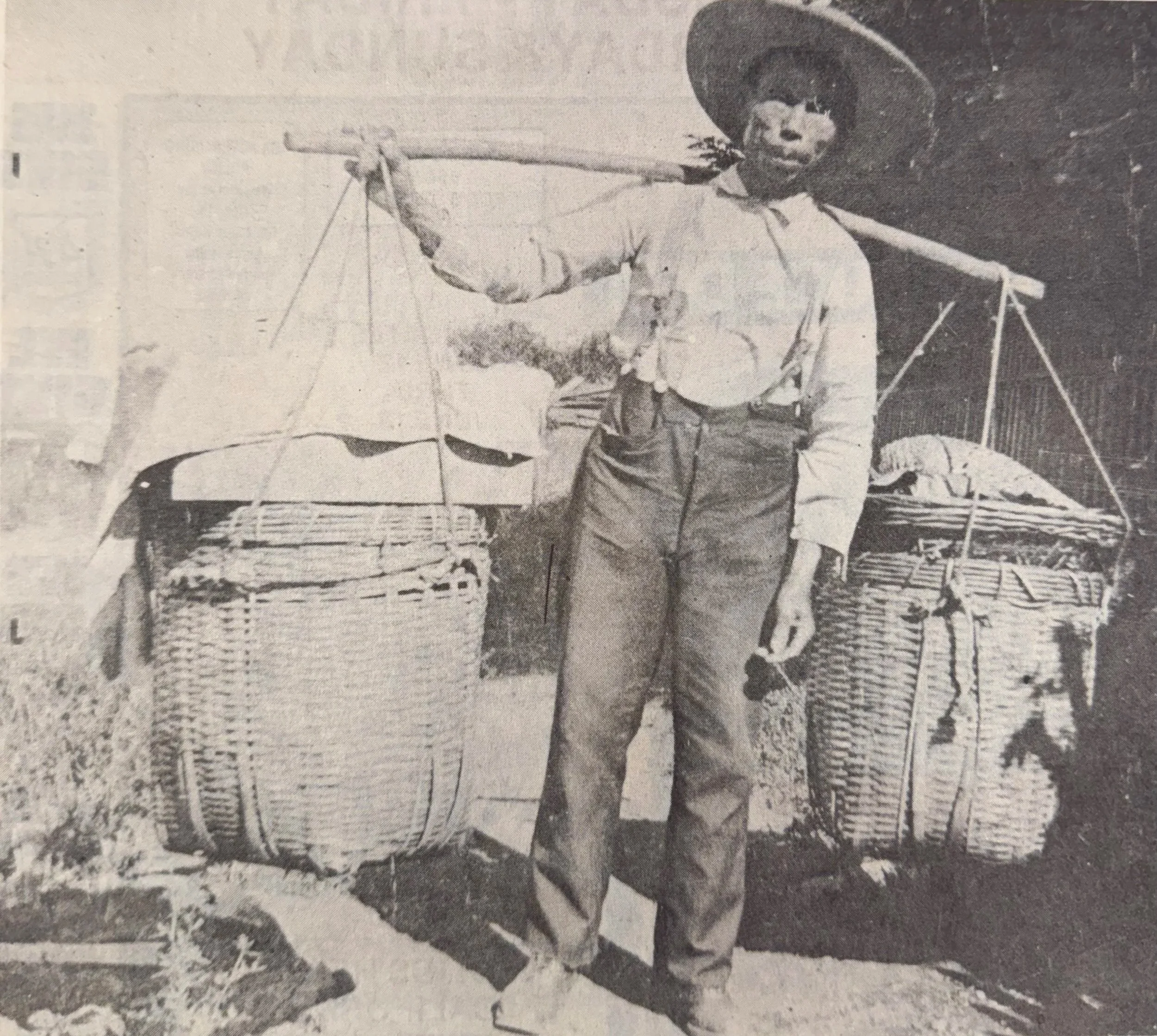
The original railroad camp was located east of here on both sides of Strong Creek. As the railroad grew, Hope built division offices, repair shops, a locomotive roundhouse, and train crew lodging. Because the Northern Pacific had contracted Chinese nationals as cheap labor, Hope became home to a sizable number of Chinese laborers who worked for the railroad, some of whom retired in Hope after their railroad work was done. Because of this, there was a Chinese presence in Hope until the early 1950s.
The hub of Chinese life in the area was centered up the slope beyond the current railroad tracks. There was a Chinese boarding house catering to the primarily-male patrons, Chinese laundries, Chinese merchants, and the office of the Twin Wo Company — the coordinator for Chinese labor on the western portion of the Northern Pacific Railroad. Immediately to the west, above the modern murals painted on the roadway retaining wall, is what was known as the Chinese cemetery. Chinese workers who died in the area were temporarily interred there until such time that their remains could be returned to China. The Chinese believed they had to be buried in their ancestral lands, or else they were doomed to roam the world as ghosts for eternity. This spawned many a tall tale of ghostly hauntings in Hope through the years. The cemetery contains other graves as well, has been extensively restored, and is now known as the Pioneer Cemetery.
First photo: Looking westbound from Hope in 1891, with Northern Pacific Engine #334 in the foreground. Photo by F.J. Haynes, courtesy of the Montana Historical Society.
Second photo: The Chinese, like Ah Sing of Hope pictured here, played an important role in the early history of east Bonner County. This photo was taken around the turn of the 20th century.
Get directions: