
Stewardship & Conservation
Leave-No-Trace & Stewardship Principles for Water Recreation
1. Protect the Water
Keep trash, food waste, and pollutants out of the water.
Use designated waste and restroom facilities when available.
Never dump soaps, chemicals, fuel, or other contaminants into the water.
Clean up after yourself—and leave your launch site, beach, or campsite cleaner than you found it.
2. Respect the Shoreline
Use established access points, trails, and launches whenever possible.
Avoid trampling vegetation or creating new paths.
Leave natural features such as rocks, plants, driftwood, and shells where they are.
Help prevent erosion by staying on durable surfaces.
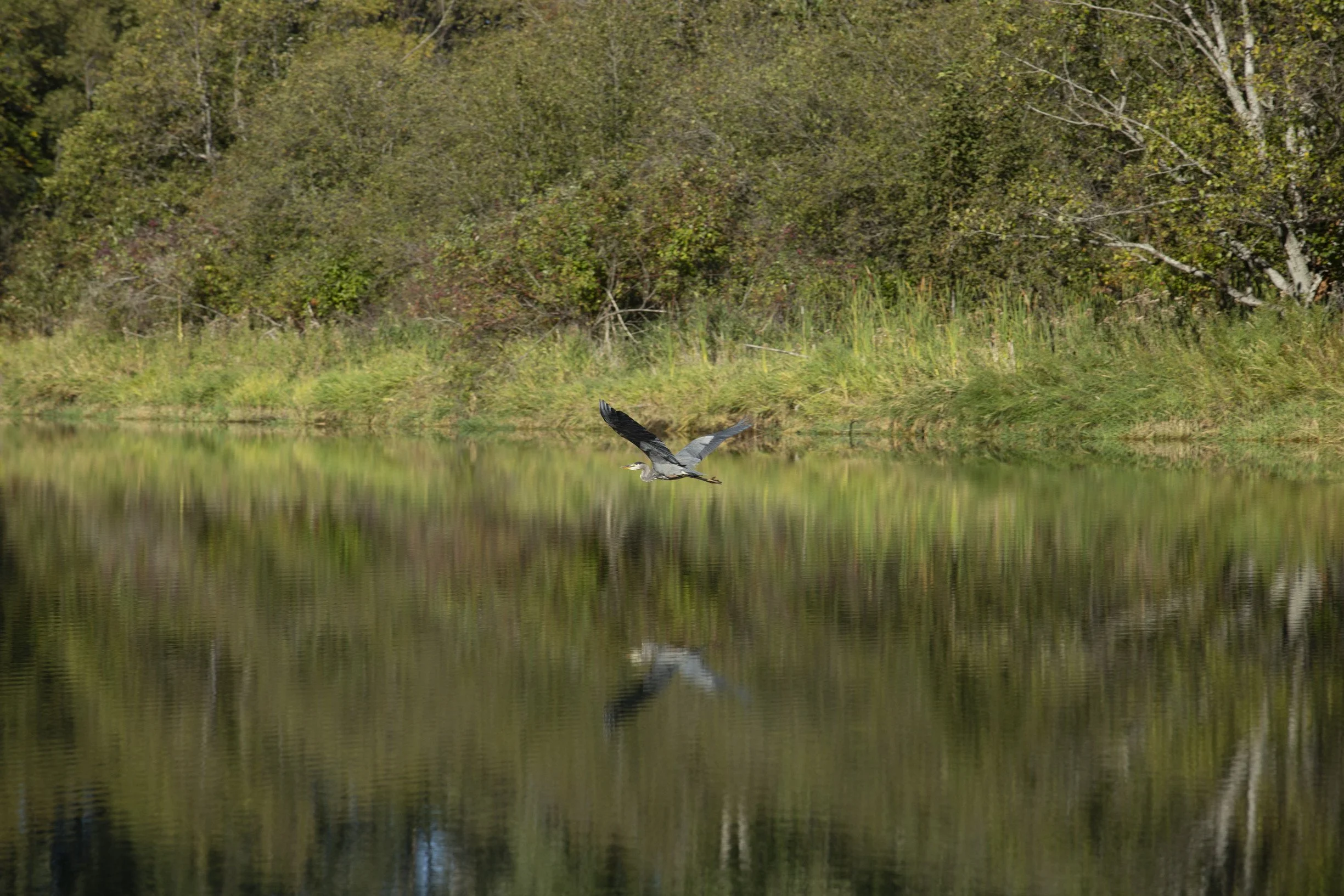
3. Leave Wildlife Wild
Observe wildlife from a respectful distance and never feed or intentionally disturb animals.
Give nesting, spawning, and resting areas extra space.
Keep dogs under control and follow posted seasonal wildlife restrictions.
Remember that quiet recreation can help protect sensitive wildlife.
4. Prevent the Spread of Invasive Species
Clean, Drain, Dry boats, kayaks, paddleboards, fishing gear, and other equipment before moving between waterways.
Remove visible plants, mud, and debris.
Drain all water from boats and equipment.
Never release aquarium species, bait, plants, or animals into the water.
5. Be Considerate of Other Recreationists
Share launches, beaches, trails, and waterways courteously.
Give paddlers, swimmers, anglers, boaters, and other users appropriate space.
Keep noise at a respectful level, particularly near shorelines, homes, and wildlife habitat.
Follow posted rules and respect private property.
6. Practice Safe & Responsible Recreation
Know the conditions before you go and prepare for changing weather.
Wear appropriate safety equipment, including a properly fitted life jacket.
Know your abilities and choose routes appropriate for your experience.
Avoid creating situations that could require unnecessary rescue resources.
7. Respect Cultural & Historic Places
Leave archaeological, cultural, and historic resources undisturbed.
Do not collect artifacts, disturb sites, or damage structures.
Learn about and respect the Indigenous history and ongoing cultural connections to the waterways you are visiting.
8. Take Responsibility for Your Impact
Pack out everything you bring in.
Pick up trash when you encounter it, even if it isn't yours.
Report hazardous conditions, pollution, invasive species, or damaged facilities to the appropriate agency.
Be an example of responsible recreation for others.