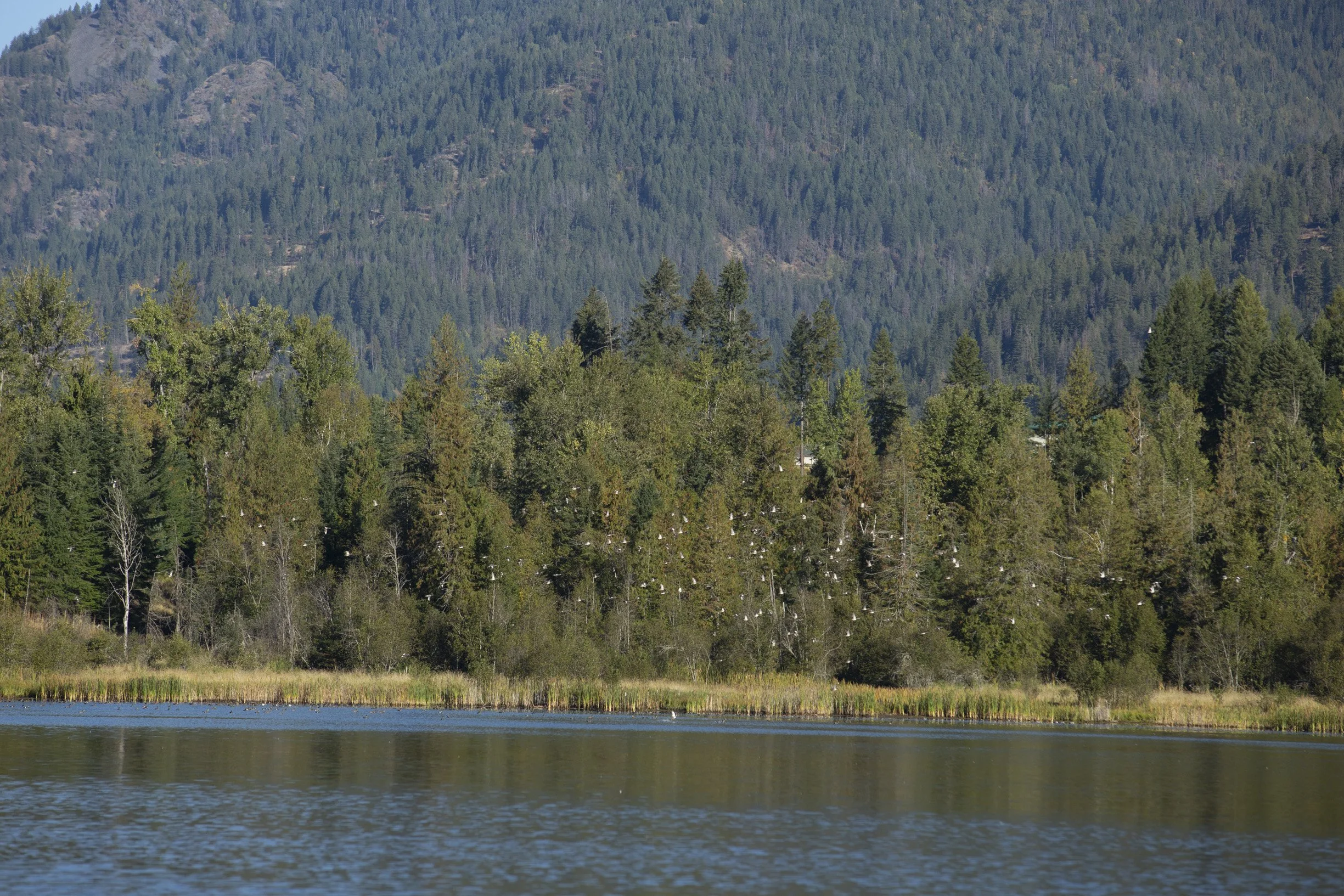
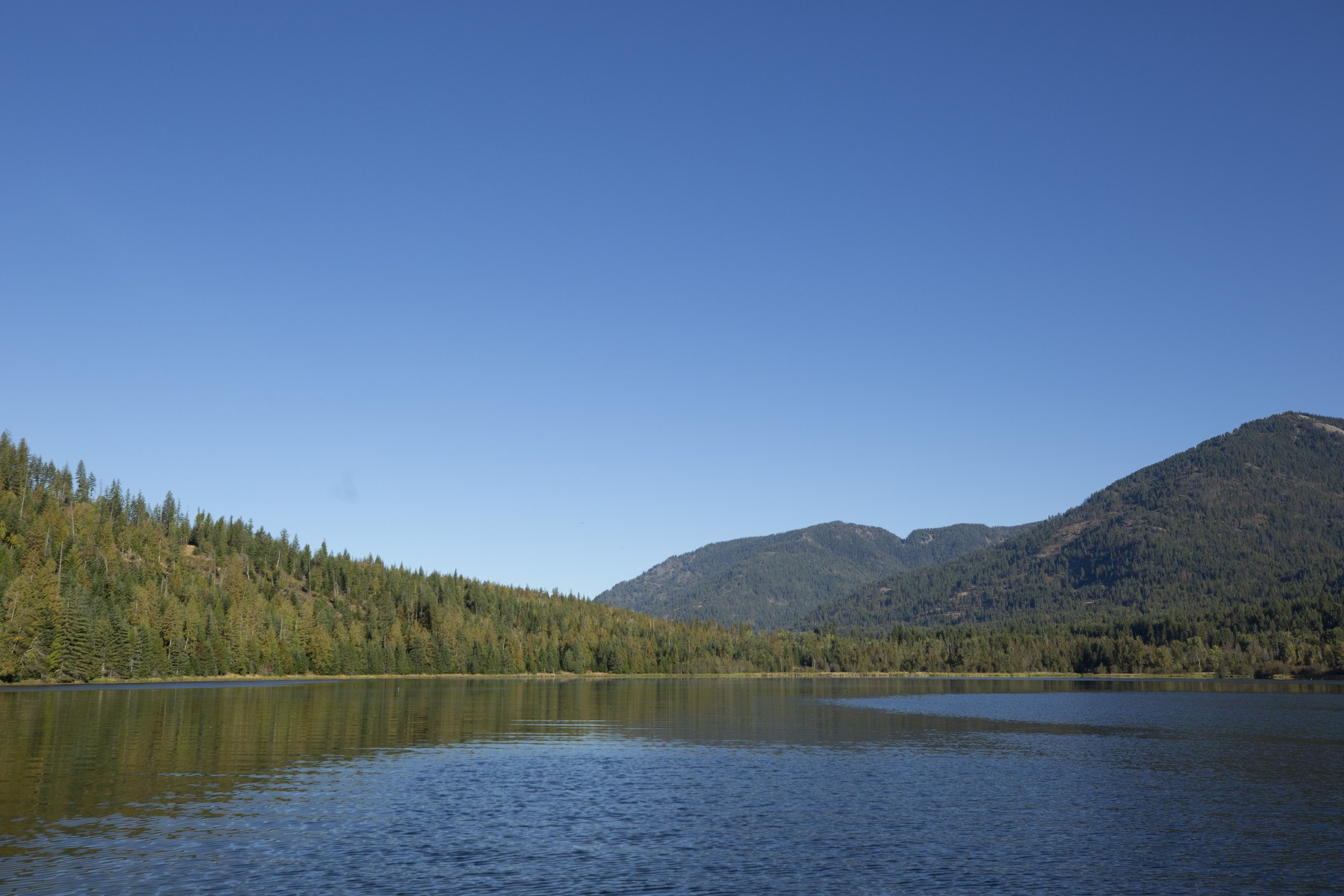
Denton Slough
Amenities
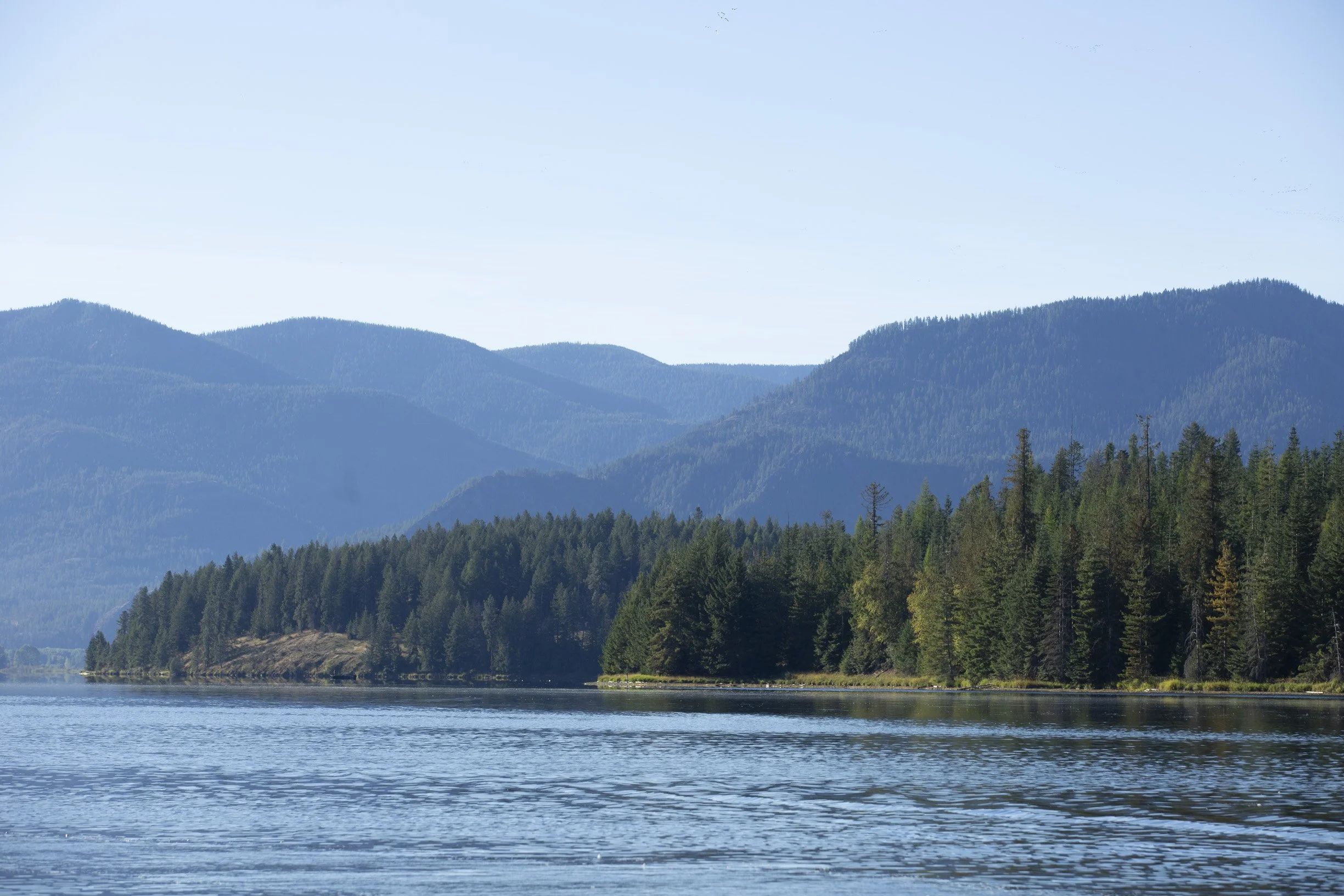
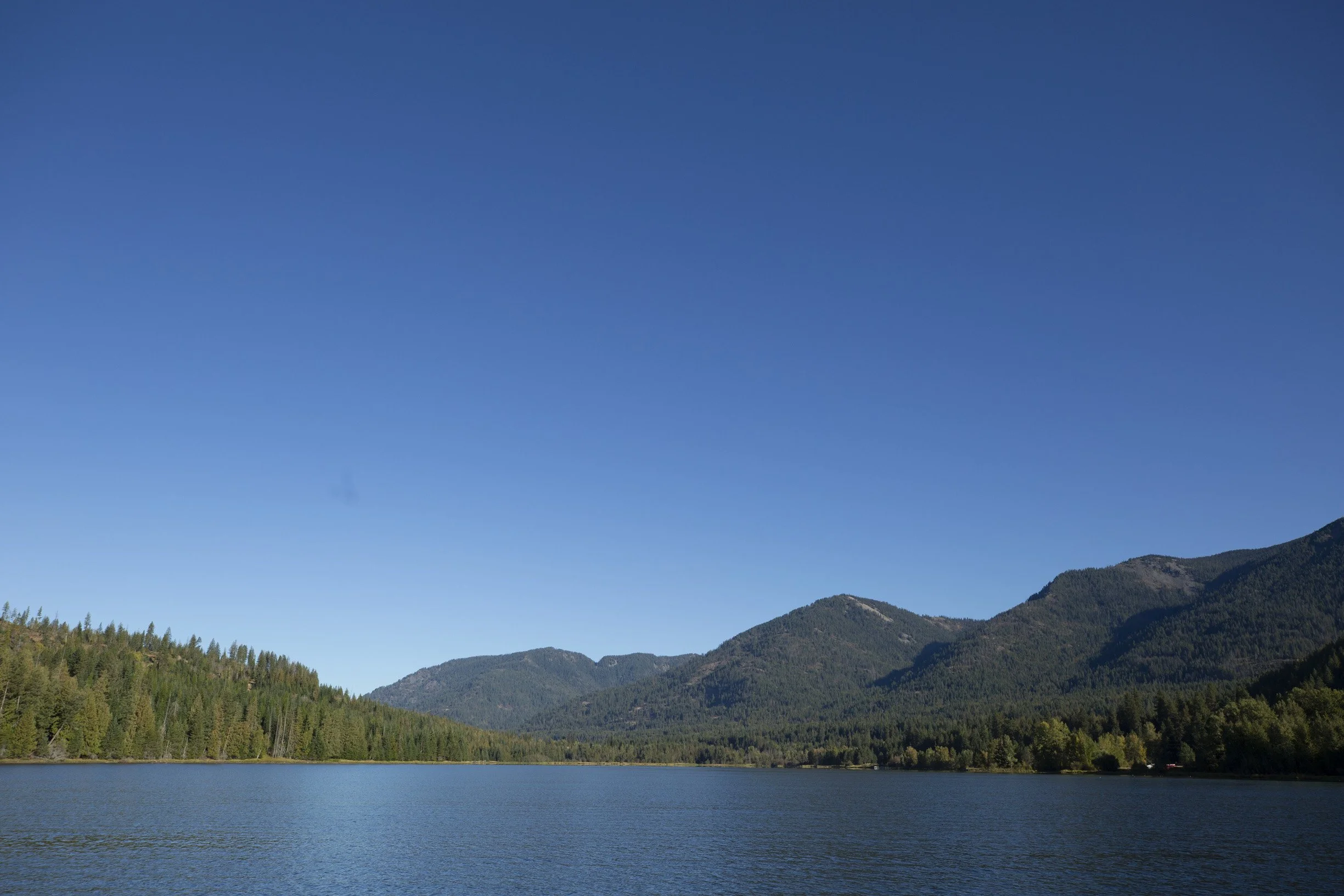
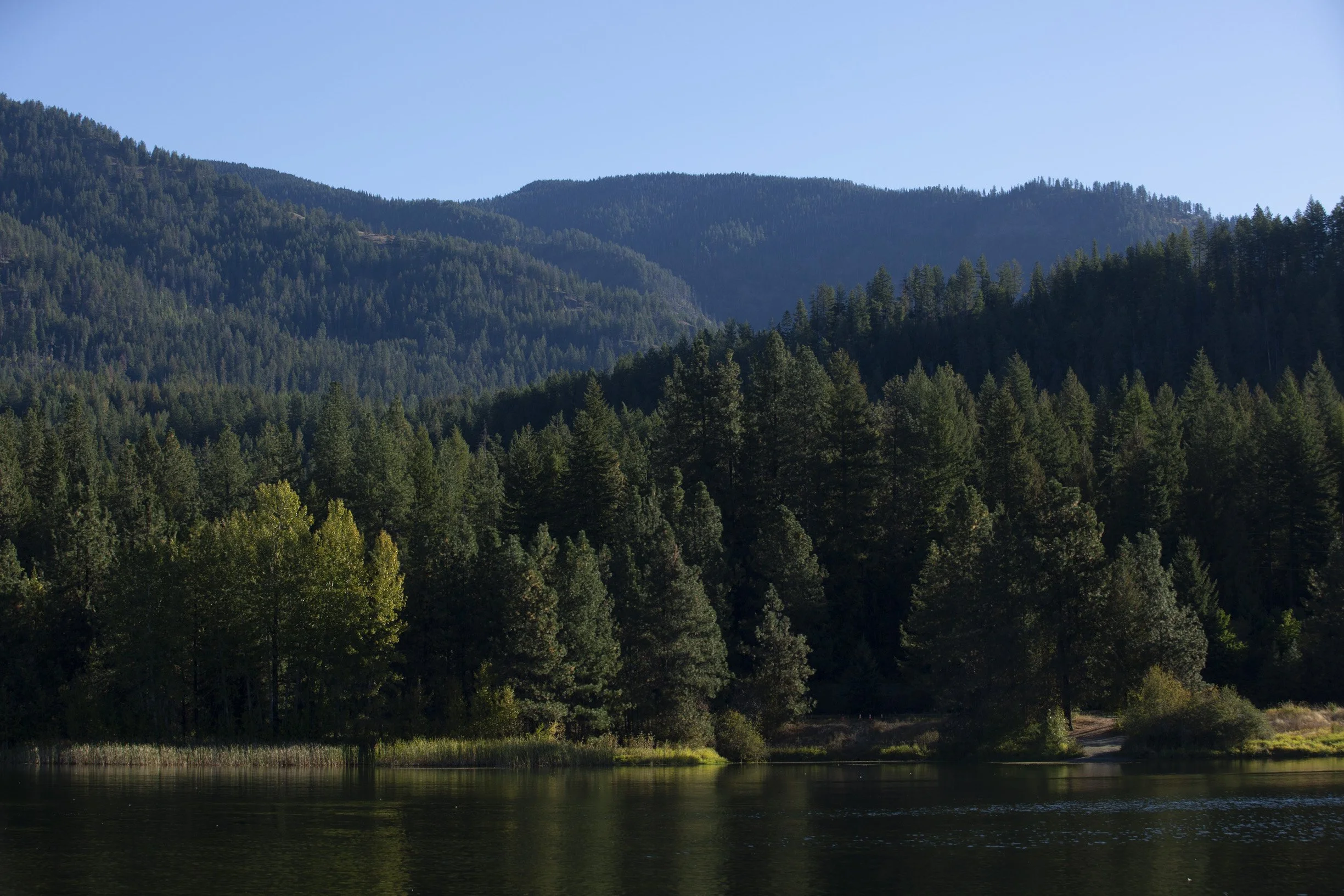
Small-craft boat launch with picnic, toilet, and rest areas. Narrow shoreline next to highway. Overnight parking and decent access for canoes.
History
For centuries, the Denton Slough, now a popular destination for fishing, boating, canoeing and kayaking, was rarely filled with water in the warmer months of the year. The construction of the Cabinet Gorge and Albeni Falls dams in the 1950s completely switched the natural rhythm of the levels of Lake Pend Oreille.
Historically, high water levels were experienced in late spring, sometimes extending into early summer. Before the dams, the lake was at its lowest level during the summer through winter months, and this area would have been filled with water for only a short season. At the time, the slough was considered part of what was collectively called Indian Meadows — an expansive plain filled with natural grasses, perfect for grazing animals. Indian Meadows included the western portions of the Clark Fork river delta to the east of here.
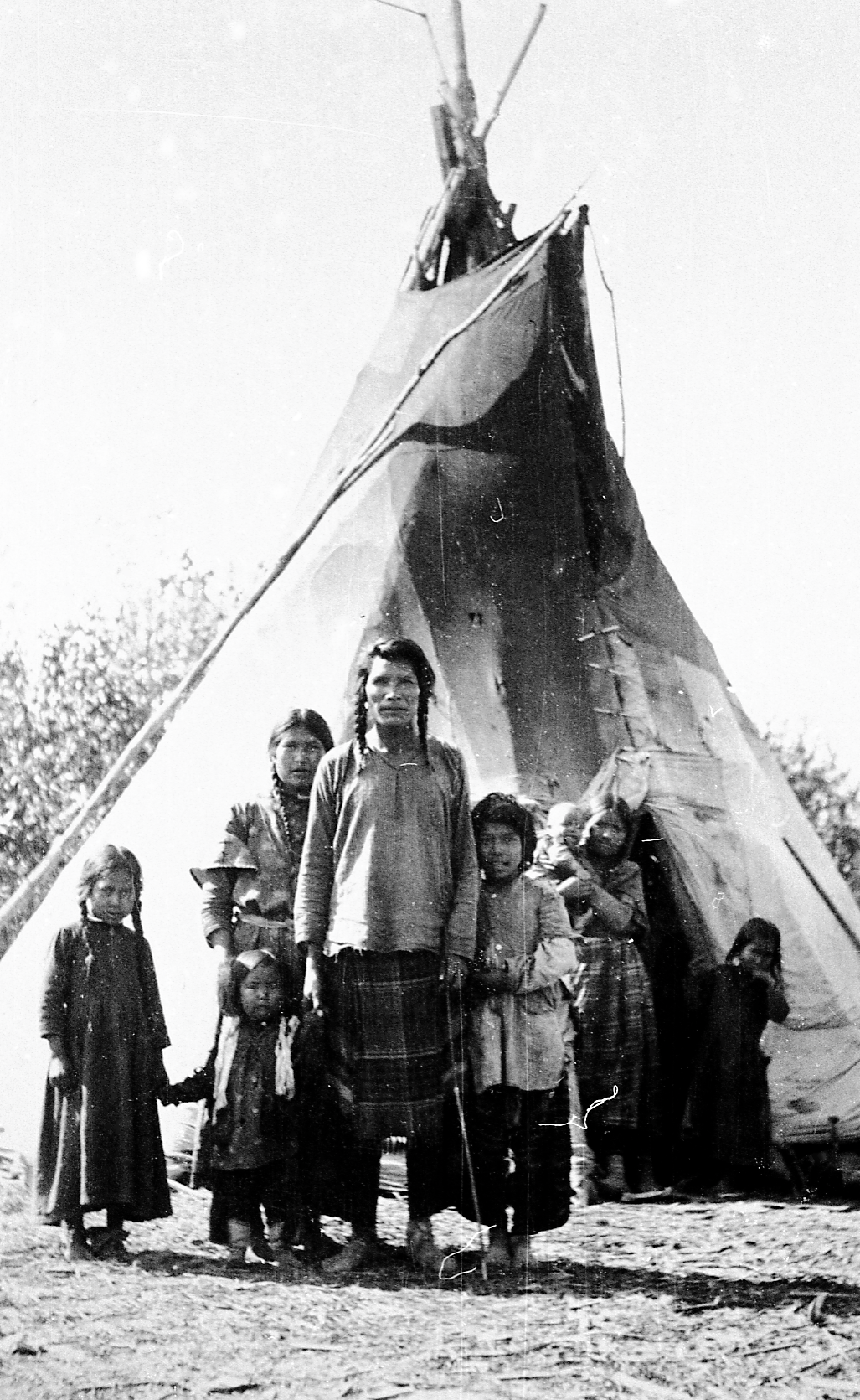
Indian Meadows was the site of an annual gathering of native peoples from Western Montana, North Idaho and Eastern Washington. The gatherings would be held in late summer and into early fall. Families and friends would come together to socialize, catch up on the events of the year, and enjoy sporting activities. They would also harvest and smoke fish, and pick huckleberries. Contemporary accounts have suggested that upwards of 2,000 people would take part in this annual event, which was a highlight of the year. Nonnative people were also generally welcomed to the festivities, contributing to the overall goodwill of the celebration.
In the winter, the Kalispel tribe would hunt deer at the head of the lake with snowshoes, bows and arrows, and dogs.