
Sunnyside Access
Amenities
No amenities and no designated parking. Limited parking is available along the road. Shore launch is possible.
History
In 1919, the Idaho legislature appropriated funds to build two tuberculosis sanitariums in the state, one in the north and one in the south. The disease was commonly known as consumption, and at the time, government-funded campaigns to address tuberculosis were on the rise. Before the advent of modern medicine, death from tuberculosis was far more common, and sanitariums isolated consumptives in natural settings, where they might spend years undergoing prescribed regimens of fresh air and sunlight.
A state commission looked over several potential sites in northern Idaho, and eventually selected 91 acres at the southeast corner of Sunnyside Peninsula. Then-owners Charles Tuck and Jessie Hawkins Tuck agreed to sell the land to the state for $10,000, and the sale was completed in June 1920. Bonner County residents raised half of the money themselves.
By the fall of 1920, Spokane architect Archibald Riggs had completed plans for the sanitarium building, but by that time, the project had lost momentum. A lawsuit in 1922 claimed that the Sunnyside property was not centrally located for all of northern Idaho. The project was dead by June 1923, and the legislature appropriated money to refund all donations from local residents.
The acreage shrunk due to flooding after the construction of Albeni Dam circa 1951. In 1957, with help from the nearby Oden Grange, the State Department built a picnic shelter and fireplace at Sunnyside Access. In 1967, the Idaho Department of Parks and Recreation took over administration of the site, but subsequently decided the site was too small to be a state park.
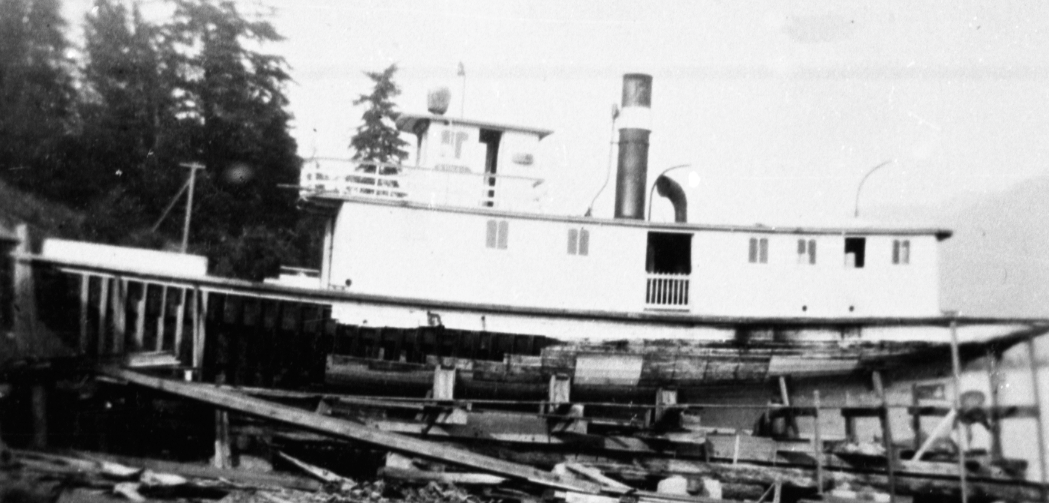
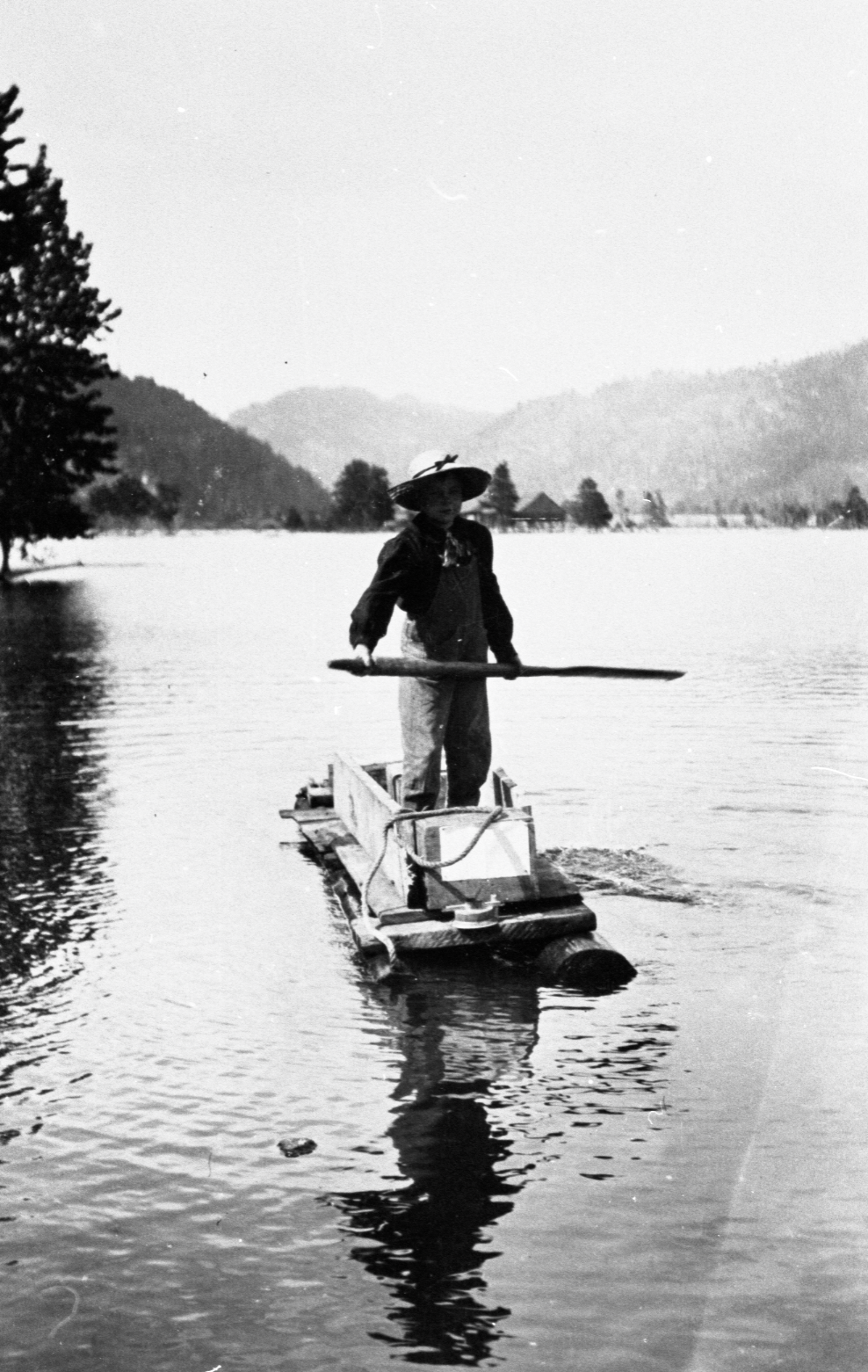
Second photo: Unidentified boy on a raft at Sunnyside. Photo by a member of the Hawkins family.
Get directions:
Additional Information
Sunnyside Access — Sandpoint Online
22190 Fishing and Boating Access Site — Idaho Department of Fish and Game
Stay on Sunnyside — Stay on Sunnyside; author and publication date not listed.
Looking for Walleye in Lake Pend Oreille — Bonner County Daily Bee, July 10, 2024; author not listed. Includes information about walleye populations near Sunnyside, with information attributed to or apparently sourced from the Idaho Department of Fish and Game.
Sunnyside Access — Google Maps Listing — Google Maps. View photos, directions, and visitor reviews.