
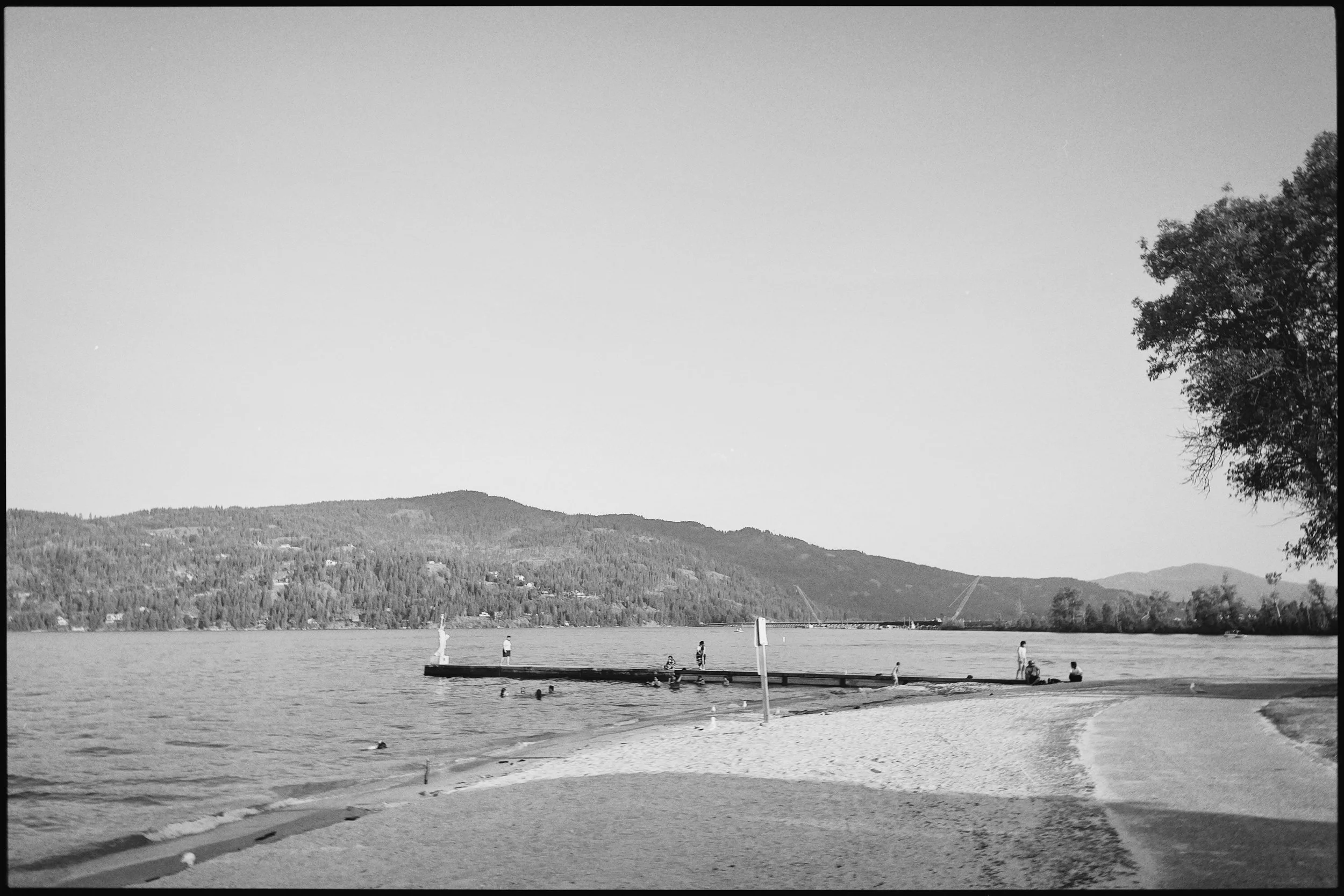
Sandpoint City Beach
Amenities
Public park with playground, boat ramp, fee-based parking (including plentiful trailer parking), picnic tables, fishing dock, and various beaches. No dogs allowed.
History
Lake Pend Oreille has likely been inhabited for over 10,000 years, and the Kalispel tribe settled in the area over 2,000 years ago. Water has always been important to the tribe as a food source and navigation route, and the name Kalispel is an anglicized version of the Salish word meaning “lake or river paddlers.”
What is now Sandpoint City Beach was once a spot of cultural significance for the tribe, including as a launch point for paddle journeys in dugout canoes, made of dug-out cedar trees, and sturgeon-nosed canoes constructed with bark. The tribe spoke Kalispel, a regional Salish dialect closely related to Coeur D’Alene, Spokane, and Bitterroot Salish, spoken by the Flathead Nation. These dialects are mutually understandable, which made it easy for the tribes to gather and intermingle for hunting, fishing, and celebrations. In the 1930s, the Flathead tribe from Montana would gather with the Kalispel and other area tribes for as long as a month; at the time, Eneas Granjo from the Flatheads ran the powwow. The tribes enjoyed the area’s sandy beaches; sand has been deposited here for centuries.
The beach was the site of a Kalispel village, where a collection of 100 to 150 transportable lodges for various uses were situated. The women were “the backbone, they were the main source of life for all the people,” according to Kalispel elder Francis Cullooyah, and they organized food, clothing, and lodging, while men hunted and did chores. “We, the Indian people, didn’t take the land for granted. We didn’t use it for recreational purposes but utilized the whole area as our food-gathering place.”
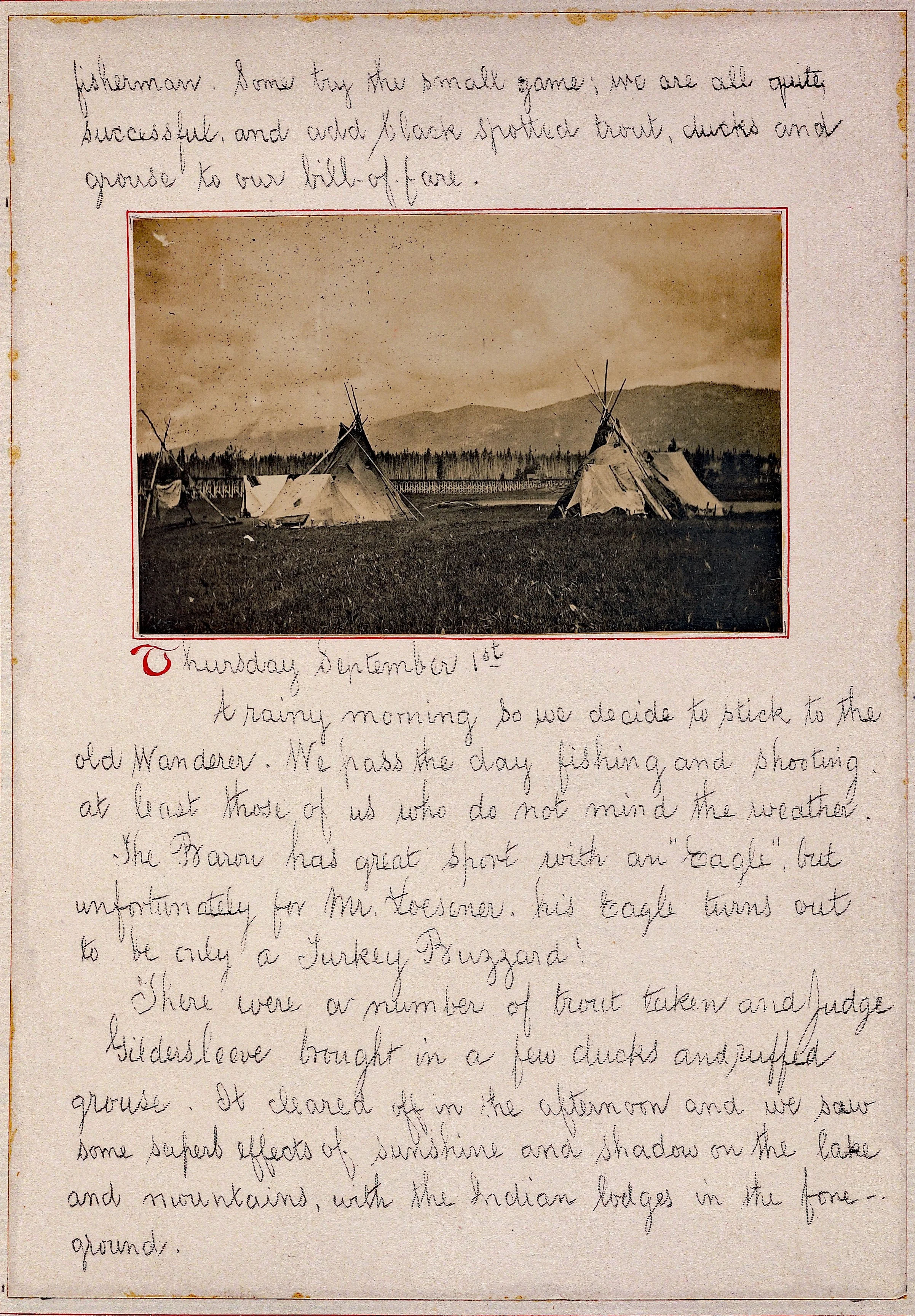
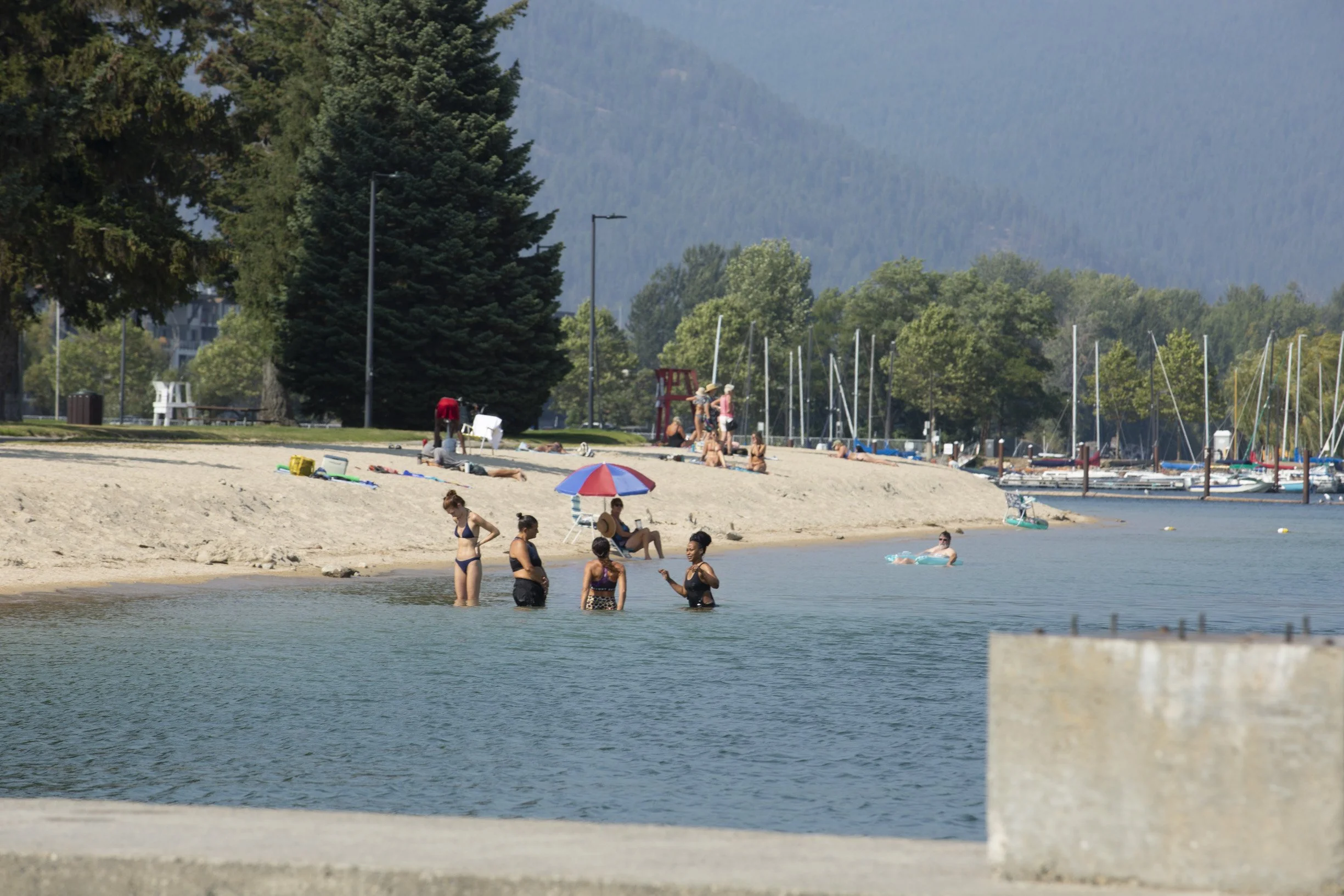
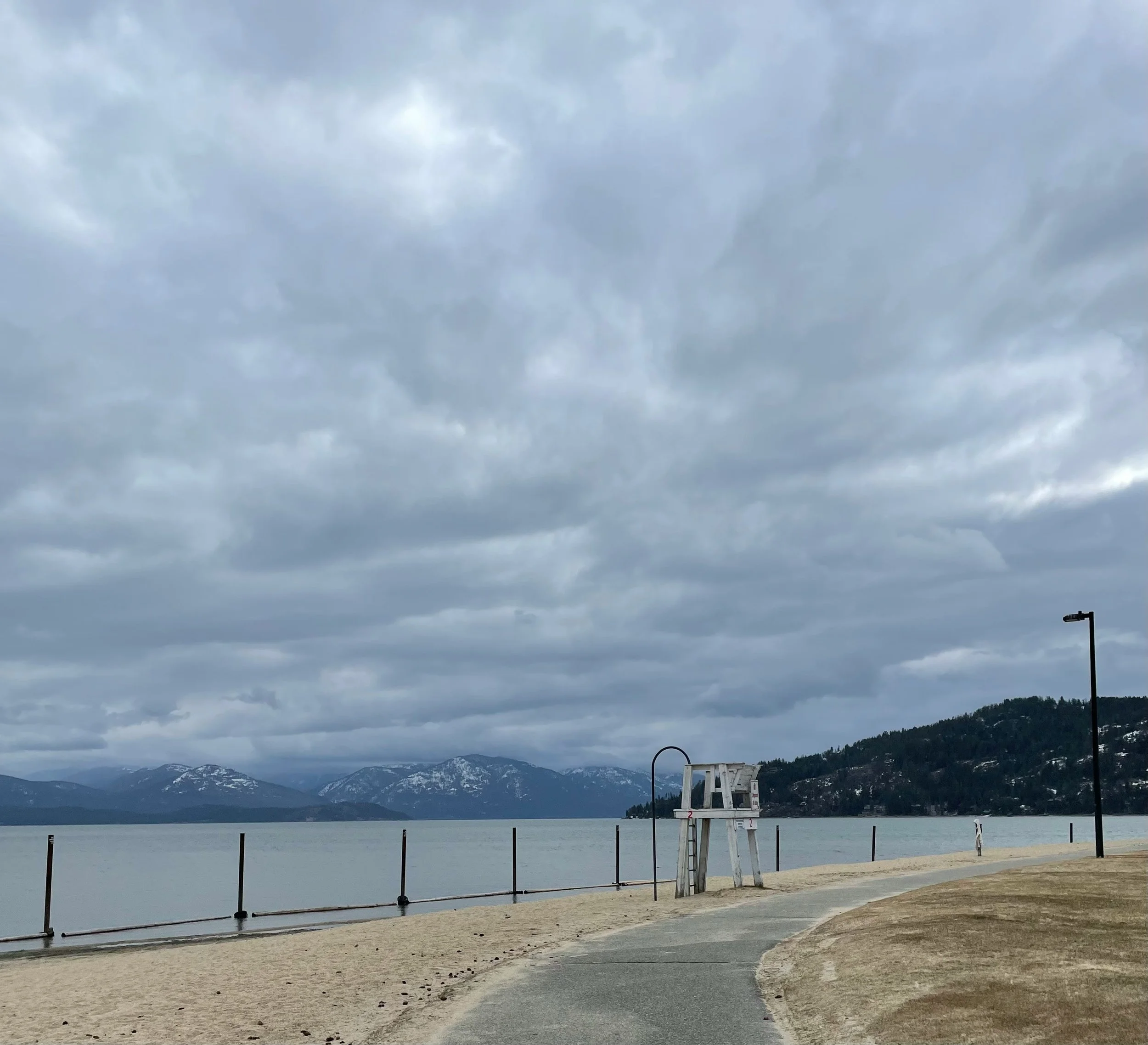
Photo by Selena Davis via Unsplash
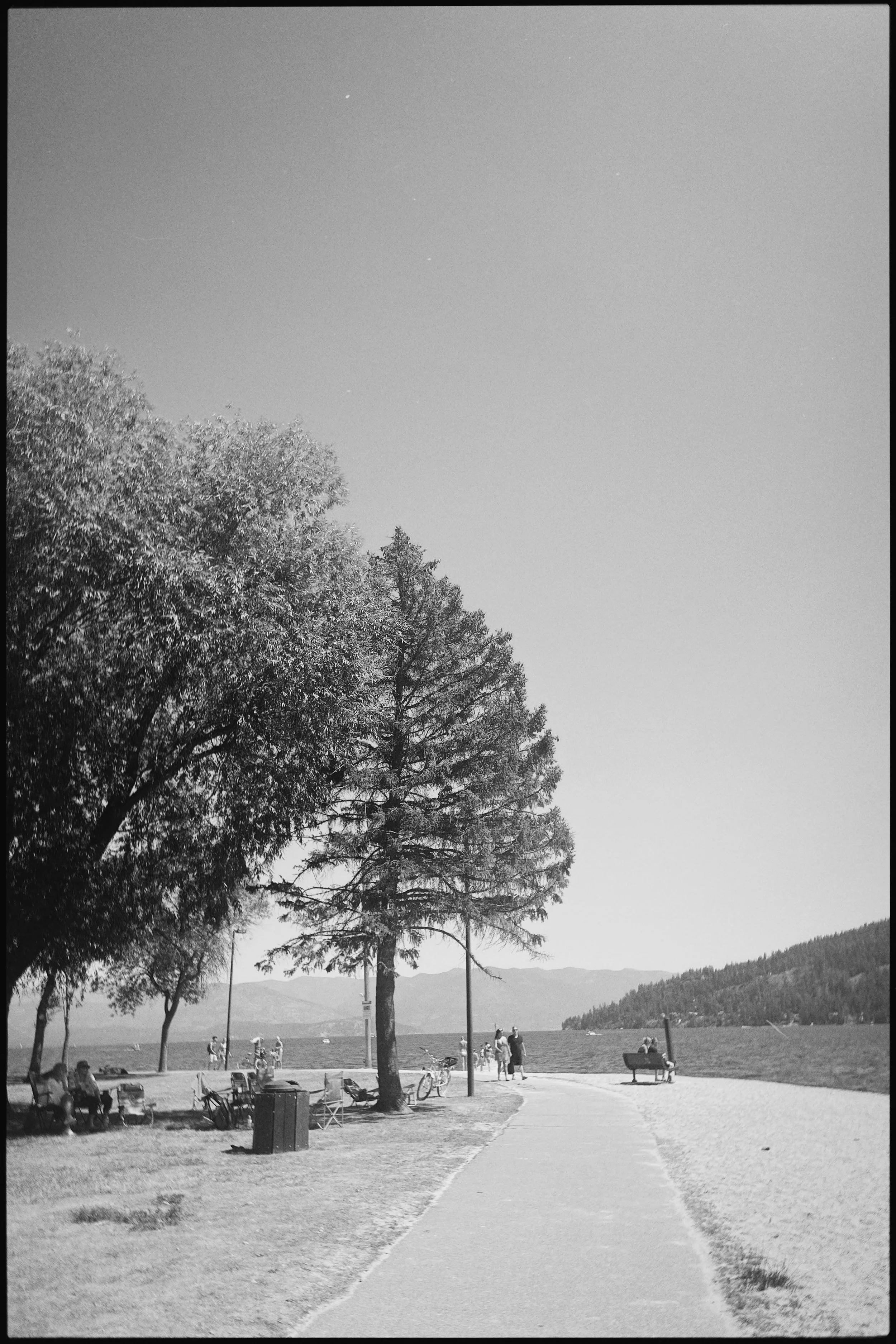
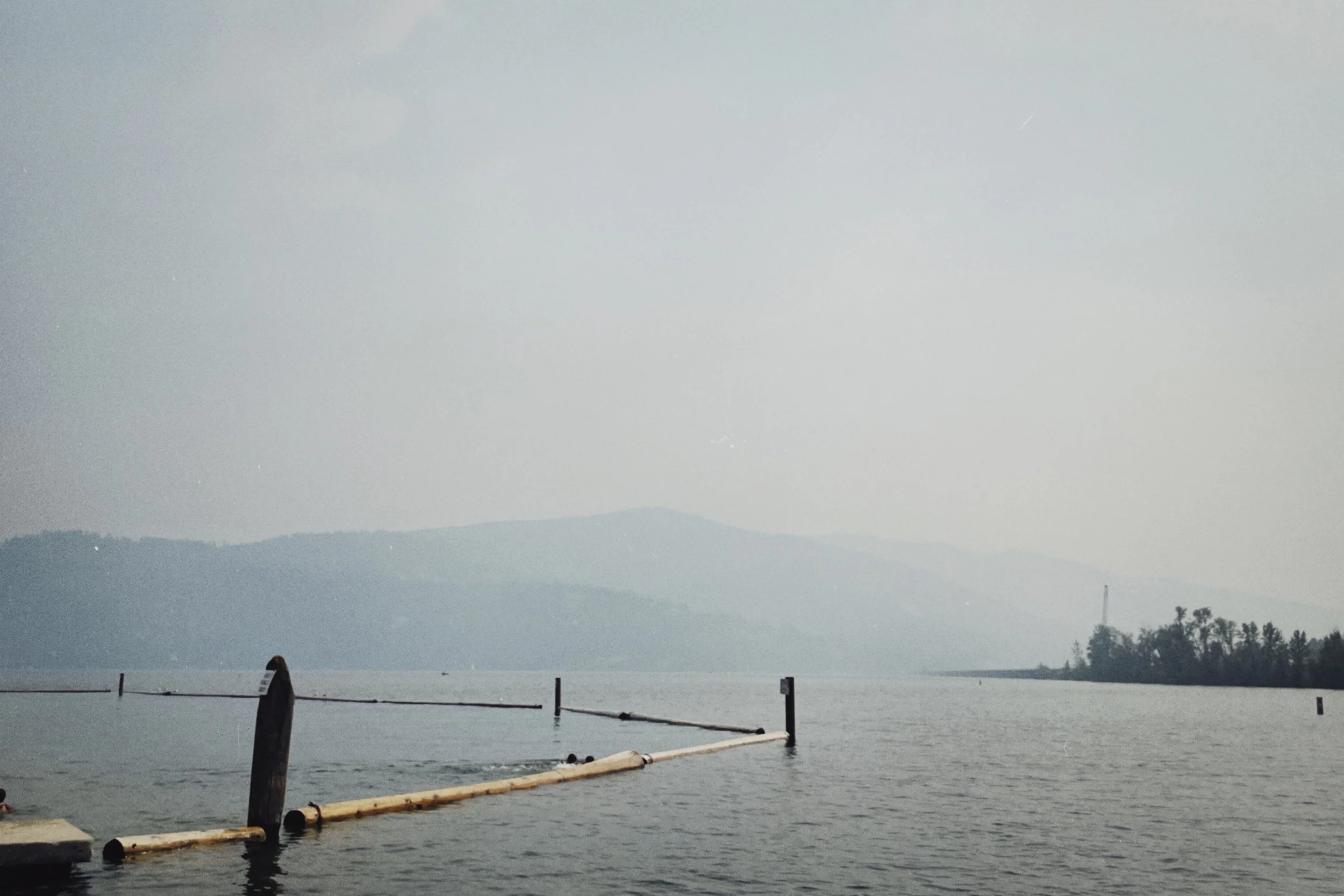
View from the City Beach Boat Launch on a smoky August afternoon.
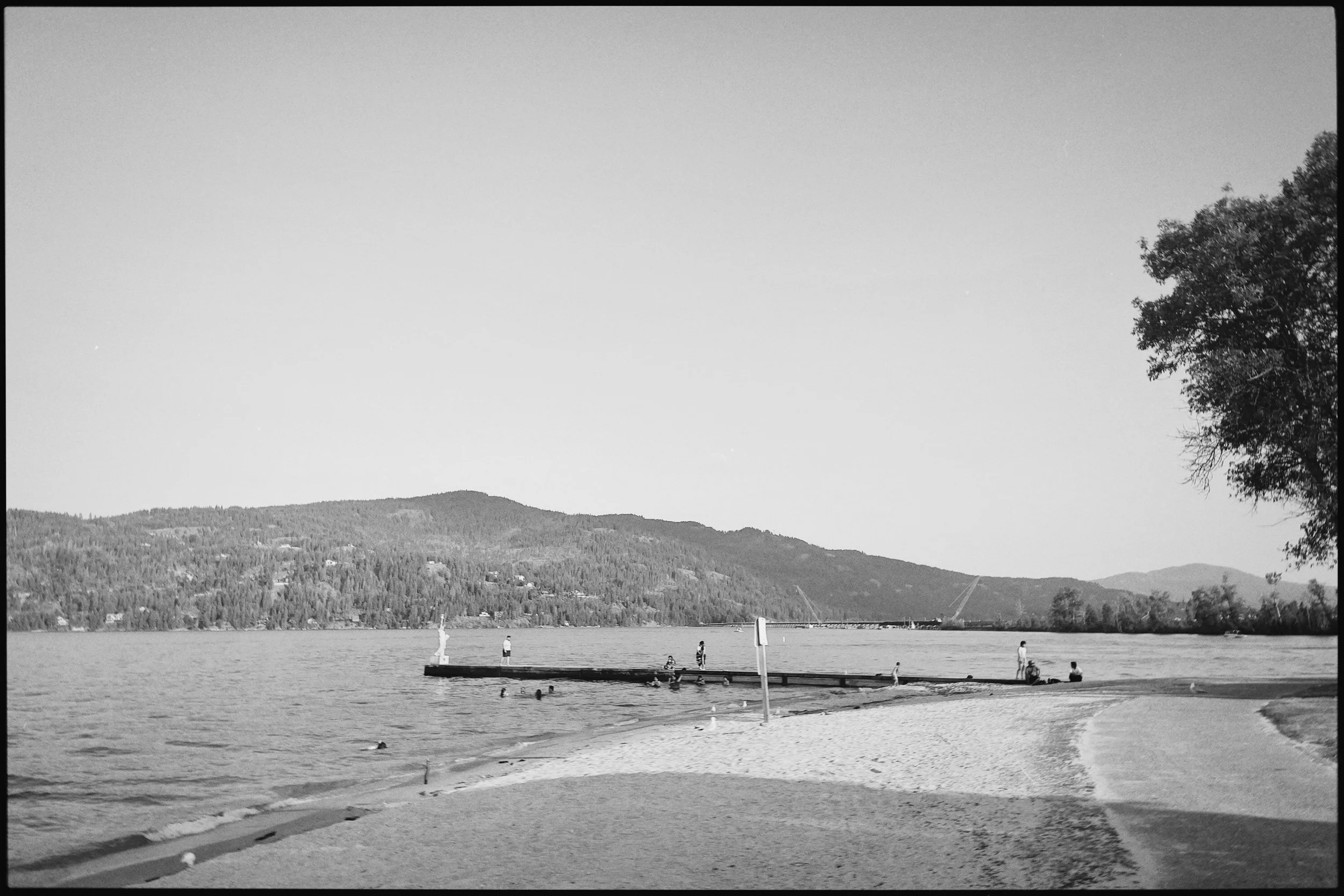
Locals enjoying a summer day at the eastern end of City Beach, swimming and jumping from the iconic Statue of Liberty Pier with Lake Pend Oreille and the surrounding mountains beyond.
Get directions:
Additional Information
The One Who Shook Up City Beach — Hannah Combs and Chris Corpus, Bonner County Historical Society — date not listed.
Changes in Store for Sandpoint’s City Beach — Abigail Thorpe, Sandpoint.com — February 16, 2021.
City Beach City of Sandpoint Parks and Recreation — Official municipal information about City Beach.
Historic Walking Tour City of Sandpoint Arts, Culture and Historic Preservation Commission — Information about historic sites and landmarks in Sandpoint.